The Science Behind Wireless Charging: How It Really Works
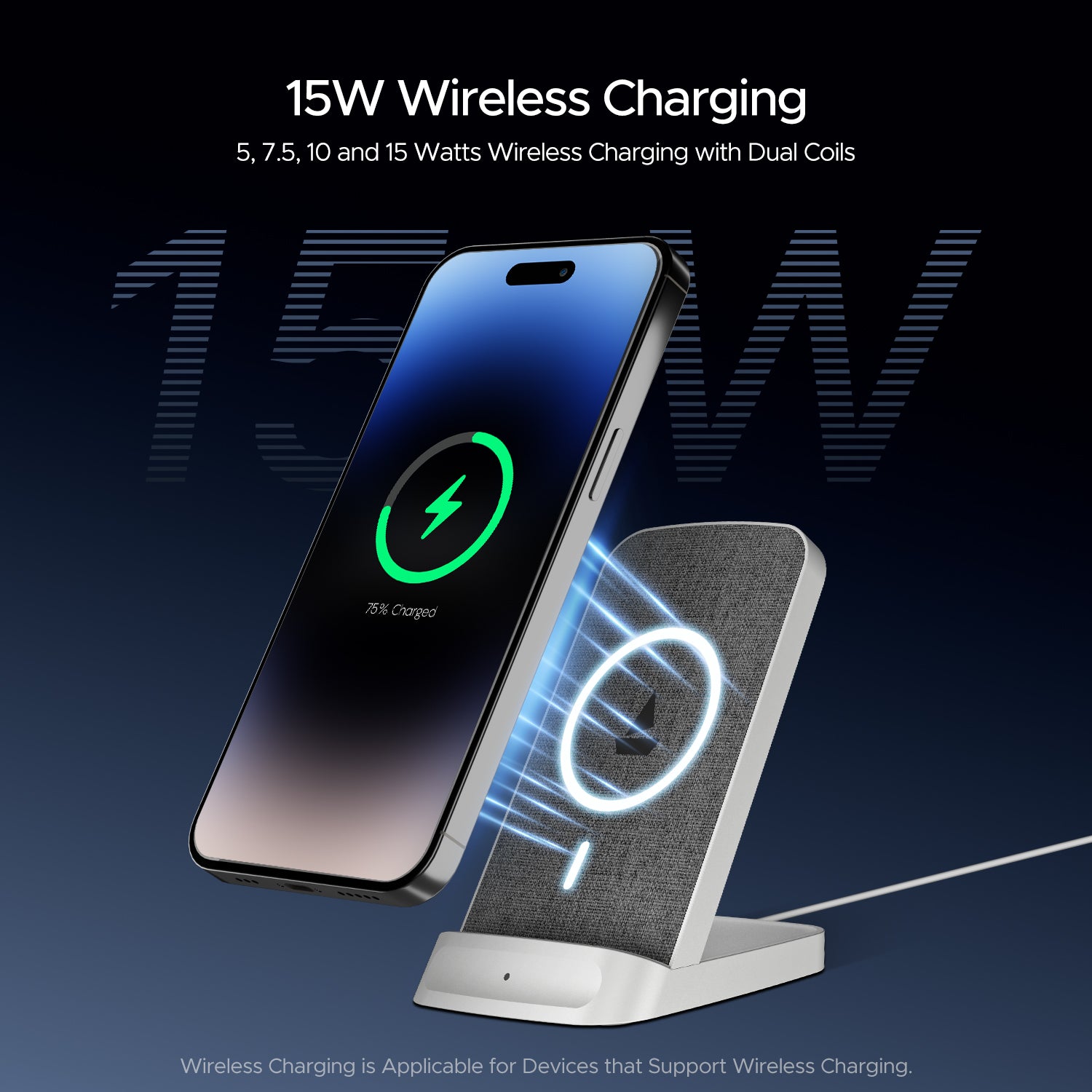
Wireless charging, also known as inductive charging, is a technology that enables the transfer of energy from a power source to a device without the need for physical connectors. This process relies on electromagnetic fields to transfer energy, primarily utilizing two coils: the transmitter coil in the charging pad and the receiver coil in the device being charged. When you place a smartphone or an electric toothbrush on the charging pad, an alternating current passes through the transmitter coil, generating a magnetic field. This magnetic field induces an electric current in the receiver coil, which then converts this energy into direct current to charge the device's battery.
One of the key advantages of wireless charging is its convenience, eliminating the wear and tear associated with physical charging cables. However, it's important to note that this method is generally slower than traditional wired charging and can sometimes lead to decreased energy efficiency. According to some studies, only about 60-80% of the energy from the charging pad is effectively transferred to the device due to energy loss in the form of heat. As technology advances, improvements in wireless charging efficiency and speed are continuously being pursued, making this a rapidly evolving area in consumer electronics.
Counter-Strike is a popular multiplayer first-person shooter game that has captivated players around the world since its release. It features team-based gameplay where players can choose to be either terrorists or counter-terrorists, engaging in objectives like bomb defusal and hostage rescue. To enhance your gaming setup, consider checking out these Top 10 Nightstand Chargers for Apple Watch to keep your devices powered while you play.
Top 5 Myths About Wireless Charging Debunked
Wireless charging has become increasingly popular, but with its rise, several myths have emerged that can confuse consumers. One of the most common misconceptions is that wireless charging is significantly slower than traditional charging methods. While it is true that some early models offered slower speeds, technological advancements have led to wireless chargers now matching or even exceeding the speed of conventional chargers. In fact, many modern smartphones support fast wireless charging, delivering power efficiently without the hassle of cords.
Another prevalent myth is that using a wireless charger can harm your battery's health. In reality, reputable wireless charging pads are designed with safety features that prevent overheating and overcharging. Unlike traditional chargers that maintain a constant voltage, wireless chargers adjust the power output based on the device's needs. This means that as long as you invest in a quality charger, your smartphone's battery life is unlikely to be affected negatively. It’s important to distinguish between myths and facts to utilize wireless charging technology effectively.
Is Wireless Charging Safe? What You Need to Know
Wireless charging has gained significant popularity in recent years, offering consumers a convenient way to power their devices without the hassle of cables. Many people wonder, is wireless charging safe? Generally, the consensus is that it is indeed safe for most devices, as technology has significantly advanced. Modern wireless chargers utilize electromagnetic fields to transfer energy, and manufacturers design these chargers with safety features such as overcurrent protection and temperature control. However, it's essential to note that using low-quality chargers or those not certified by reputable organizations can pose risks, such as overheating or device damage.
Despite the safety measures in place, there are a few precautions you should consider to ensure optimal safety while using wireless charging. For instance, avoid placing your device on the charger with thick or metallic cases, as they can interfere with charging efficiency and increase heat generation. Additionally, keep the charger clean and free of debris, as dust or foreign objects can lead to overheating. In summary, as long as you use reliable devices and follow the manufacturer's guidelines, using wireless charging can be a safe and effective way to keep your gadgets powered.