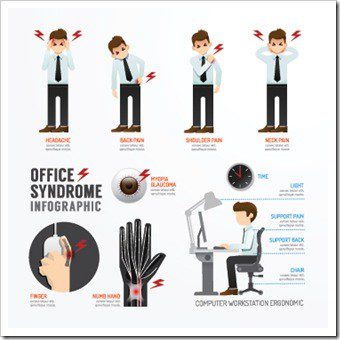
Is Your Office Chair Supporting You or Hurting You?
When it comes to spending long hours at a desk, your office chair plays a crucial role in your overall health and productivity. An ergonomic chair can significantly enhance your comfort, reducing the risk of chronic back pain and other posture-related issues. Is your office chair supporting you? If you find yourself constantly shifting positions or experiencing discomfort, it might be time to reassess your seating choice. A well-designed office chair should provide adequate lumbar support, allowing your spine to maintain its natural curve and promoting a healthy sitting posture.
Conversely, an unsuitable office chair can lead to detrimental effects on your body. Many individuals may not realize how their chair impacts their physical well-being until it’s too late. Signs that your chair might be hurting you include persistent back pain, numbness in the legs, or frequent headaches. To combat these issues, consider investing in a chair that offers adjustable features, such as height and tilt, to customize your seating position. Remember, a supportive office chair is not just a comfort; it is an essential investment in your long-term health.
Counter-Strike is a popular tactical first-person shooter video game that was initially released in 1999. It has gained a massive following over the years, evolving into various iterations, including Counter-Strike: Source and Counter-Strike: Global Offensive. Players engage in team-based matches where they can choose to play as terrorists or counter-terrorists, completing objectives like bomb planting or hostage rescue. For gamers looking to enhance their experience, consider exploring some Top 10 mac accessories for productivity that can help improve your setup.
The Importance of Ergonomic Design: How the Right Office Chair Can Save Your Spine
The significance of ergonomic design in the workplace cannot be overstated, especially when considering the role of an office chair in promoting spinal health. An ergonomic office chair is specifically designed to support your body’s natural posture, reducing the strain on your spine during long hours of sitting. By investing in the right chair, you not only enhance comfort but also prevent a range of issues, from chronic back pain to more serious spinal injuries. According to studies, employees who use ergonomic chairs report improved productivity and decreased absenteeism due to musculoskeletal disorders.
When selecting an office chair, consider features such as lumbar support, adjustable height, and armrests. A chair with proper lumbar support helps maintain the natural curve of the spine, while adjustable height allows individuals to find their optimal sitting position. Additionally, having adjustable armrests can reduce shoulder strain and allow for a more relaxed posture. Remember, the right office chair isn’t just an accessory; it’s a vital component in safeguarding your spine health and enhancing overall well-being at work.
Top 5 Features to Look for in an Ergonomic Office Chair
When searching for the top features to look for in an ergonomic office chair, comfort should be your priority. A chair that promotes good posture will significantly reduce the risk of back pain and discomfort during long hours of work. Look for adjustable seat height, lumbar support, and a comfortable seat cushion as essential elements. Additionally, the chair's material should be breathable to prevent overheating, allowing you to maintain optimal productivity throughout the day.
Another important feature is mobility. A chair with durable casters allows for easy movement across your workspace without straining your body. Consider chairs that offer a swivel base for flexible movement while reducing lower back strain. Lastly, pay attention to the chair's armrests; they should be adjustable to ensure proper support for your arms and shoulders, enhancing overall comfort during your work hours. By focusing on these key features, you can find a chair that not only meets your needs but also promotes a healthier work environment.