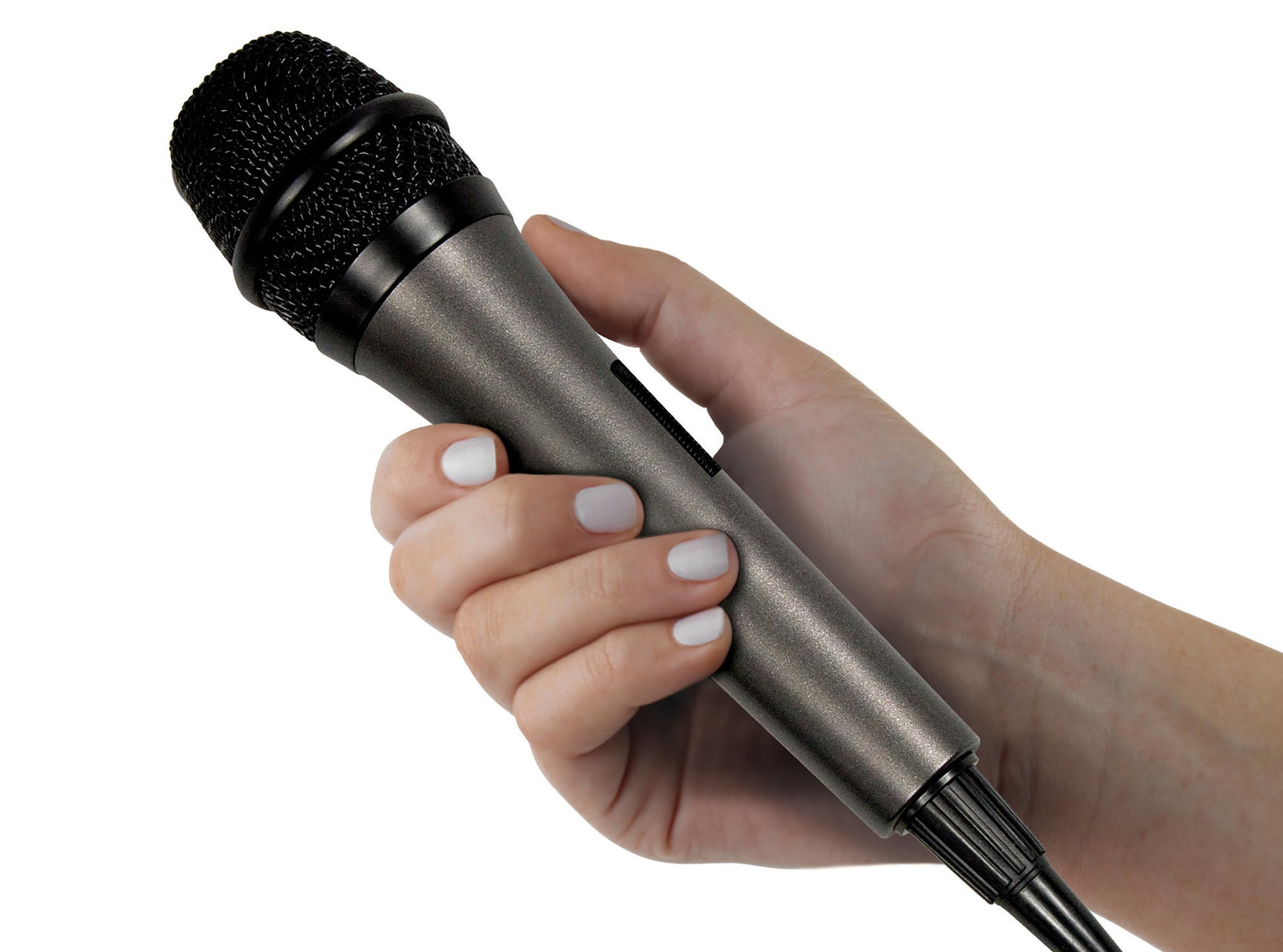
Understanding Microphone Types: Which One is Right for Your Performance?
When it comes to selecting the right microphone for your performance, understanding the different microphone types is crucial. There are primarily two categories: dynamic microphones and condenser microphones. Dynamic microphones are best suited for loud sound sources, making them ideal for live performances, while condenser microphones excel in capturing subtle nuances in vocals and instruments, often preferred in studio settings. Additionally, ribbon microphones offer a vintage sound and are great for capturing warmth in recordings. Each type has its strengths, and recognizing these can greatly enhance your overall sound quality.
Before making your choice, consider the following factors:
- Sound quality: Determine what sound characteristics are important for your performance.
- Environment: Consider where you will be using the microphone—live or studio settings.
- Budget: Decide on a price range that reflects the quality you need.
Counter-Strike is a popular tactical first-person shooter game that has captivated players since its inception. It is known for its team-based gameplay, where players assume the roles of either terrorists or counter-terrorists and must work together to complete objectives or eliminate the opposing team. For gamers looking to enhance their streaming quality, consider checking out the Top 10 iphone microphones to find the best options available. The game's competitive scene continues to thrive, with numerous tournaments and leagues that attract professional teams from around the world.
The Role of Microphones in Enhancing Vocal Clarity and Sound Quality
Microphones play a crucial role in enhancing vocal clarity and sound quality, serving as the bridge between the speaker and the audience. By converting sound waves into electrical signals, these devices capture the nuances of the human voice, allowing for a richer and more immersive auditory experience. Various types of microphones, such as condenser, dynamic, and ribbon, each possess unique characteristics that affect the overall sound. For instance, condenser microphones are renowned for their sensitivity and ability to capture detailed vocals, making them a popular choice in studio environments, while dynamic microphones are favored for live performances due to their durability and ability to handle high sound pressure levels.
Moreover, the placement and choice of microphone can significantly impact vocal clarity. Proper positioning can help minimize background noise and interference, ensuring that the voice remains the focal point of the audio. Additionally, employing techniques like using pop filters or windshields can further enhance sound quality by reducing unwanted plosive sounds and ambient noise. In essence, selecting the right microphone and utilizing effective techniques can lead to remarkable improvements in vocal clarity, allowing performers, podcasters, and content creators to deliver their messages with precision and impact.
How to Properly Set Up and Position Microphones for Maximum Impact
Properly setting up and positioning your microphones is crucial for achieving the best sound quality in any audio recording or live performance. To start, consider the type of microphone you are using—whether it's dynamic, condenser, or ribbon—as different types have unique characteristics that influence placement. Ensure that you are using the right microphone for the situation and that it is properly powered and connected. Always conduct a sound check before the actual recording or performance to identify any issues and make adjustments where necessary.
Once you have selected your microphone, it's essential to pay attention to its placement and angle. For most vocal recordings, placing the microphone at a distance of 6-12 inches from the sound source and slightly off-axis can help reduce plosive sounds and capture a clearer tone. Additionally, utilizing a pop filter or a windscreen can further enhance sound quality by eliminating unwanted noise. Remember to adjust the gain levels on your mixer or recording interface accordingly to ensure optimal sound capture without distortion.