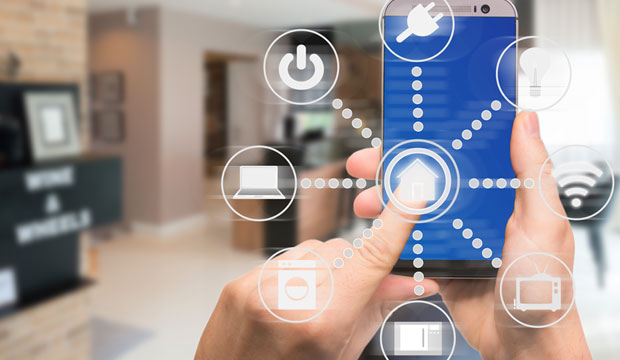
How Smart Devices are Transforming Modern Living: Benefits and Drawbacks
Smart devices have revolutionized the way we interact with our homes and daily routines. From smart thermostats that learn our preferences to voice-activated assistants that can control everything from lighting to security systems, the integration of technology in our living spaces has never been more pronounced. These innovations not only enhance convenience but also significantly improve energy efficiency. For instance, smart lighting can be programmed to turn off when a room is unoccupied, thereby reducing utility costs. Moreover, homeowners can monitor and control their devices remotely through smartphones, allowing for unparalleled management of home environments.
However, the rise of smart devices is not without its drawbacks. Privacy concerns loom large, as many smart products collect a wealth of data about user habits and preferences, potentially exposing individuals to security breaches and surveillance. Additionally, the dependency on technology raises questions about reliability; should a system fail or be compromised, it could lead to significant inconveniences. Furthermore, high costs associated with these devices and their upkeep may deter many consumers from making the switch. In summary, while smart devices undoubtedly contribute to a more efficient and connected lifestyle, it is crucial to weigh their benefits against the potential downsides.
Counter-Strike is a popular tactical first-person shooter game that has been at the forefront of competitive gaming since its release. Players engage in team-based gameplay, taking on the roles of counter-terrorists or terrorists, each side having distinct objectives. For those looking to enhance their gaming experience, check out the Top 10 Tech Gifts Under 100, which can provide valuable tools and accessories for gamers.
Are Smart Home Gadgets Worth the Investment? A Comprehensive Guide
As technology continues to evolve, smart home gadgets have become increasingly popular, raising the question: are they worth the investment? For many homeowners, these devices promise enhanced convenience, improved energy efficiency, and increased security. Features such as remotely controlled lighting, smart thermostats, and security cameras can significantly simplify daily tasks and provide peace of mind. Moreover, with the ability to consolidate numerous functions into one system, the long-term savings on energy bills and increased home value can make these devices a financially sound decision.
However, before diving headfirst into the world of smart home gadgets, it’s essential to consider the initial costs and the complexity of setup. Some devices can be quite pricey, and the integration process may require technical skills or professional assistance. Additionally, compatibility with existing systems and privacy concerns should not be overlooked. In summary, while smart home gadgets offer many advantages, it’s crucial to evaluate your personal needs and budget to determine if the investment aligns with your lifestyle.
The Future of Home Automation: Are We Overhyping Smart Devices?
The rise of home automation has been meteoric, with smart devices promising to revolutionize the way we interact with our living spaces. From smart thermostats that learn our preferences to voice-activated assistants that control everything from lighting to security systems, the convenience factor is undeniable. However, as we delve deeper into this trend, it’s essential to examine whether we are truly moving towards a smarter future or merely succumbing to the hype surrounding these gadgets. The allure of a fully automated home is tempting, but it raises questions about actual functionality versus marketing bluster.
As we consider the future of home automation, it is crucial to focus on user experience and true innovation. Many devices are designed to integrate seamlessly with one another, creating a cohesive smart home ecosystem. However, potential buyers often find that the reality doesn't match the marketing promises—a lack of compatibility, steep learning curves, and privacy concerns can overshadow the benefits. Are we overhyping smart devices, or are we simply at the beginning of a significant technological shift? As the industry evolves, it will be interesting to see if these devices can genuinely enhance our lives or if they will remain just another tech trend.