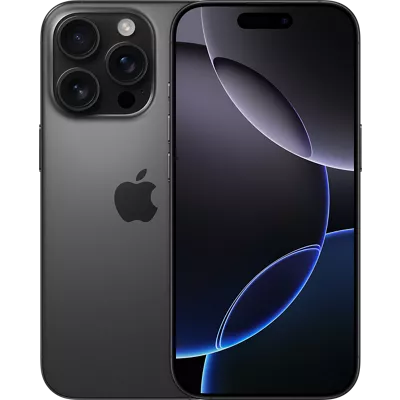
The Psychological Impact of Smartphone Dependency: Understanding Our Attachment to the iPhone
In today’s digital age, the psychological impact of smartphone dependency is a pressing issue, particularly as it pertains to our attachment to devices like the iPhone. Many users find themselves habitually reaching for their phones, driven by both social and psychological needs. This dependency often stems from a combination of factors, such as the instant gratification provided by social media alerts and notifications, which create a cycle of reward and craving. Psychologists argue that this cycle can lead to anxiety and decreased attention spans, as individuals may struggle to disconnect and focus on the present moment.
Furthermore, our obsession with the iPhone can foster feelings of inadequacy and loneliness, particularly as we compare our lives to the curated highlights of others. This phenomenon is often referred to as the social comparison theory, where individuals assess their worth based on the perceived successes or lifestyles of their peers online. It's imperative to recognize that, while smartphones offer connectivity, they can simultaneously cultivate a sense of isolation. To mitigate these psychological effects, experts recommend setting boundaries around smartphone use, such as designated phone-free times or engaging in mindfulness practices that encourage users to be present and engaged in their immediate environment.
Counter-Strike is a highly popular first-person shooter game that has evolved over the years, captivating gamers with its competitive gameplay and team dynamics. The game features different modes, strategic maps, and a variety of weapons, making it a favorite among esports enthusiasts. For those looking to protect their devices while gaming, check out the Top 10 iphone slim cases to ensure your iPhone stays safe during intense matches.
How the iPhone Shapes Our Daily Lives: A Look at Its Essential Features
The iPhone has become an indispensable part of our daily lives, transforming the way we communicate, work, and entertain ourselves. With its sleek design and powerful features, this smartphone offers a seamless integration of technology that enhances our productivity. Key features such as FaceTime and iMessage revolutionize personal and professional communication, allowing users to connect instantly with loved ones or colleagues no matter where they are in the world. Additionally, the App Store boasts millions of applications that cater to various aspects of everyday life, from managing finances to planning health routines, making the iPhone a multifaceted tool in our digital age.
Moreover, the iPhone's camera capabilities have elevated the way we capture and share moments. With advanced features like Portrait Mode and Night Mode, users can take stunning photos that reflect their personal experiences and creativity. Social media platforms are flooded with images shot on iPhones, illustrating how its camera has changed our relationship with photography. As we navigate through our busy schedules, the iPhone not only helps us stay organized with tools like Calendar and Reminders, but also acts as a portable library where knowledge and entertainment are just a tap away, making it a cornerstone of modern living.
Is Life Possible Without an iPhone? Exploring Alternatives and Challenges
In today's digital age, the iPhone has become synonymous with smartphone technology, making it hard to imagine a life without one. However, is life possible without an iPhone? The answer is a resounding yes, albeit with its own set of challenges. Many people find alternatives, such as Android devices, feature phones, or even reverting to simpler means of communication. For instance, with a feature phone, one can still make calls and send texts but may miss out on the vast array of apps and internet access that modern smartphones offer. Each alternative comes with its pros and cons, making it essential to evaluate personal needs and lifestyle before making a switch.
Nevertheless, living without an iPhone presents its own unique challenges. Social media and messaging platforms often function through apps that are optimized for smartphones, potentially leaving non-iPhone users feeling isolated. Furthermore, certain aspects of daily life, such as navigation, online shopping, and contactless payments, can become cumbersome without access to the latest technology. Adapting to these challenges requires creative solutions, perhaps relying more on computers or face-to-face interactions. Ultimately, while life without an iPhone is indeed possible, it calls for a significant adjustment in how we communicate and navigate our daily activities.