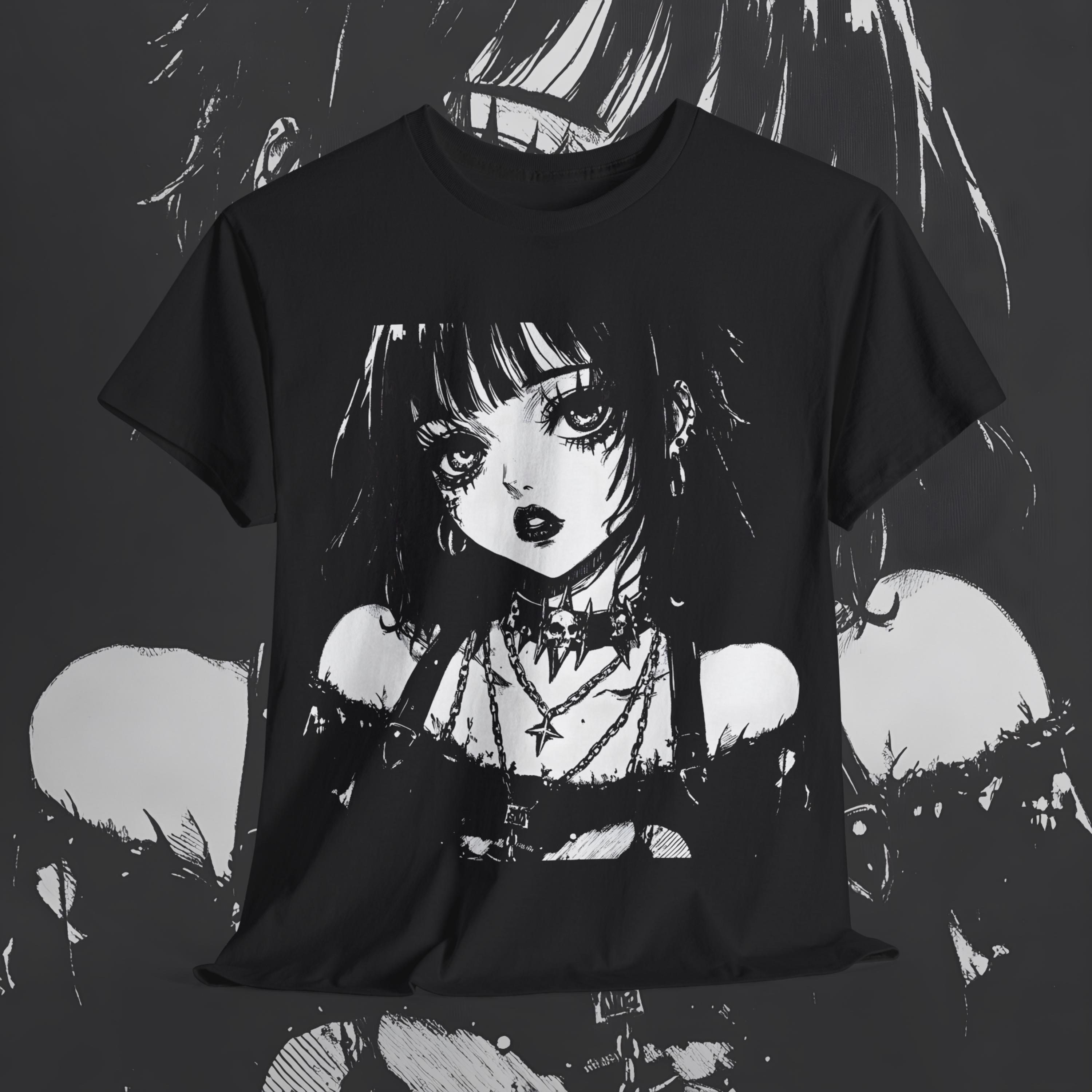
5 Essential Elements of Dark Anime Protagonist Fashion
When it comes to dark anime protagonists, fashion plays a crucial role in defining their character and enhancing the overall narrative. The first essential element is the use of dark color palettes. Black, deep blues, and dark reds often dominate their wardrobe, establishing an aura of mystery and intrigue. This choice of colors not only reflects their somber backgrounds but also allows them to stand out against the vibrant worlds they inhabit. Furthermore, layering is another important aspect; cloaks and long coats contribute to a dramatic silhouette, enhancing the character's presence in intense scenes.
Another vital element of dark anime protagonist fashion is the incorporation of unique accessories. These can range from chains and spikes to intricate jewelry, all of which serve to underline their complex personalities and struggles. The third element is the use of asymmetrical designs, often seen in the cut and shape of their garments. Such clothing choices reflect the protagonists' chaotic lives and often symbolize the internal conflicts they face. To summarize, elements like dark color palettes, layering, unique accessories, and asymmetrical designs combine to create a powerful visual identity that resonates with fans and adds depth to their stories.
If you're a fan of the popular anime series, visiting a demon slayer shop is a must! You'll find a wide range of merchandise, including figures, clothing, and accessories that celebrate your favorite characters. Whether you're looking to deck out your collection or gift a fellow fan, there's something for everyone in these shops!
How to Channel Your Favorite Dark Anime Characters in Everyday Outfits
Channeling your favorite dark anime characters in everyday outfits can be a fun and creative way to express your unique style. Start by identifying specific elements that make these characters iconic, such as their color palettes, signature accessories, or even the types of fabrics they wear. For instance, if you are inspired by characters like Kakashi from Naruto or Yato from Noragami, consider incorporating darker shades like black, deep red, or dark blue into your wardrobe. Focus on layering textures like denim jackets over graphic tees, paired with combat boots to give off that edgy vibe.
Another great way to enhance your look is by incorporating anime-inspired accessories. Look for statement pieces like chokers, layered necklaces, or themed bags that reflect the essence of your favorite characters. You could also adopt traits from their style by experimenting with a bold hairstyle or makeup that echoes their persona. For example, adding a touch of eyeliner or wearing your hair in an unconventional style can be subtle yet effective ways to embody the spirit of dark anime characters while maintaining your own personal flair. Remember, the goal is to feel confident and true to yourself, so have fun with the process!
The Psychology Behind Dressing Like a Dark Anime Protagonist: What Your Style Says About You
Dressing like a dark anime protagonist is not just about embracing a unique style; it reflects a deeper psychological connection to themes of identity and expression. Individuals who choose to adopt this aesthetic often gravitate towards the edgy elements seen in these characters, which symbolize rebellion and a quest for individuality. This choice can be particularly appealing for those who feel like outsiders, allowing them to express their inner struggles and complexities through fashion. By donning dark clothing, exaggerated silhouettes, and accessories that hint at a rich backstory, they can communicate their emotions and viewpoints without saying a word.
Moreover, this style often speaks to a certain boldness and confidence in one's personal narrative. The attire of these protagonists typically includes motifs of strength, mystery, and even vulnerability, which often resonate with wearers who identify with the emotional depth of their stories. The act of dressing in this manner serves not only as a form of dissociation from the mundane but also as a form of self-empowerment. Embracing this aesthetic allows individuals to challenge societal norms and encourage discussions about mental health, identity, and the complexities of human experience.